AI Visibility for Local Businesses: Winning ‘Near Me’ in the Answer Era
Why ‘near me’ answers now compress to two or three named businesses, and how NAP consistency, map profiles, review text and operational facts decide who gets named.


Why ‘near me’ answers now compress to two or three named businesses, and how NAP consistency, map profiles, review text and operational facts decide who gets named.

How law firms can earn AI citations while respecting advertising rules, jurisdiction limits, confidentiality and the line between legal information and advice.

The category, integration, fit and comparison queries that form SaaS shortlists inside AI assistants, and the content structures that get you named accurately.

A triage framework for deciding which existing pages to refresh first so they get cited by AI assistants, and how to fix them without a full rewrite.

SEO is not one thing. The technical and authority layers matter more than ever for AI search; the position-chasing and manipulation layers matter less or negatively.
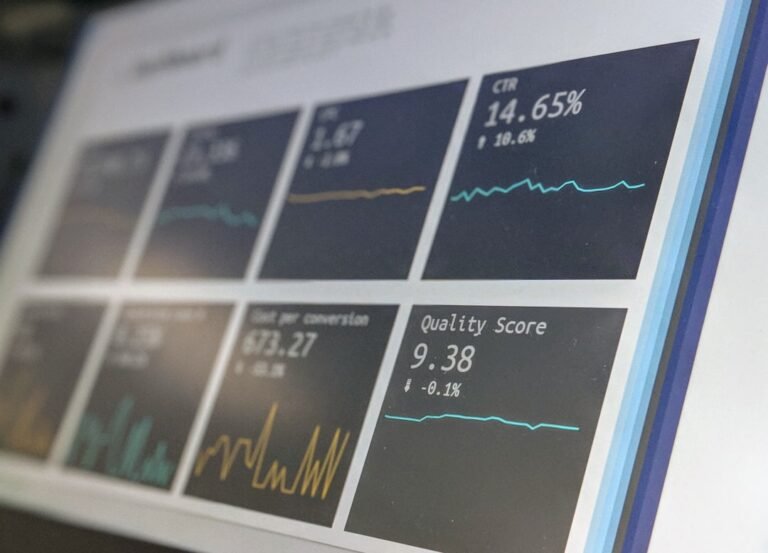
AI engines assess credibility per topic, not per domain. Here are the five signal groups they read and how to build authority narrow enough to actually win.

AI engines favour forums and Wikipedia for structural reasons, not conspiracy. Here is the mechanism behind it and which question types your site can realistically win.

Which content structures large language models extract most reliably, which ones consistently fail, and the self-containment test that catches most problems.

A six-step answer engine optimization framework built on five dependent layers: access, extraction, attribution, corroboration and measurement.

A practical decision framework for AI crawler policy: what GPTBot, ClaudeBot and Google-Extended actually do, and the real cost of blocking them.
Practical thinking on project management, AI, and business transformation — straight to your inbox when we publish.
Or follow us on LinkedIn:
Follow StrategyPeeps on LinkedInNo spam. Unsubscribe any time.